Why Classical Architecture Needs Building Science
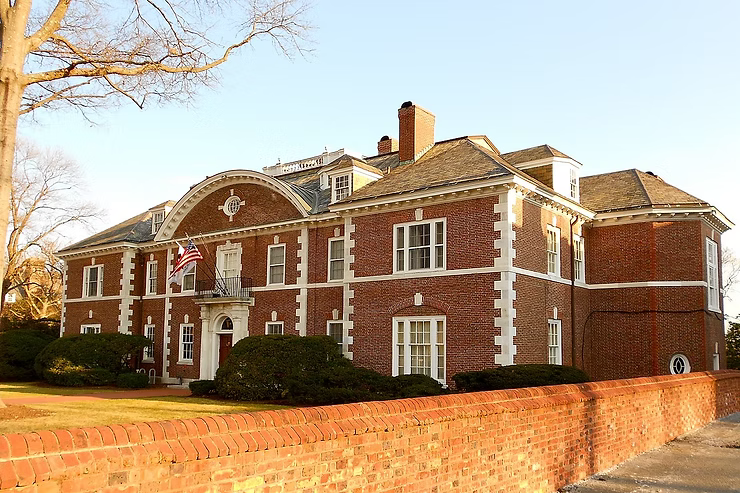
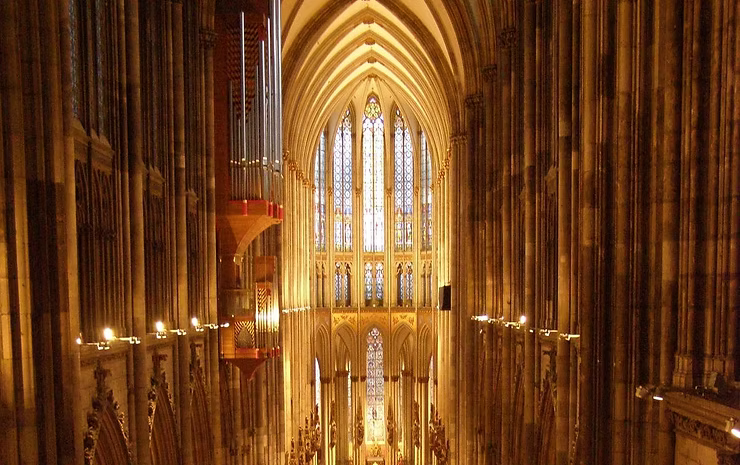
Classical and traditional architecture has always offered timeless beauty, human scale, and symbolic meaning. From Greek temples to Georgian homes, these buildings inspire through proportion and craftsmanship. Yet, today’s clients expect more than beauty—they expect comfort, energy efficiency, and sustainability.
This is where building science enters the conversation. By understanding air, moisture, and thermal performance, architects can design classical buildings that not only look timeless but also perform to modern standards. The integration of building science ensures that aesthetic traditions remain relevant in a sustainable future.
Energy Efficiency in Traditional Design
Historic buildings once relied on passive strategies—thick masonry, shaded porches, and tall ceilings—for comfort. While these remain valuable lessons, modern tools take performance further.
- Insulation & Airtightness: Today’s wall assemblies can conceal high-performance insulation and air barriers behind brick, stone, or wood cladding. This preserves the exterior character while reducing energy demand.
- Windows: Divided-light sash windows are a hallmark of traditional design. With low-E coatings, double or triple glazing, and durable frames, they retain authentic proportions while delivering modern energy savings.
Through building science, classical aesthetics and energy efficiency can seamlessly coexist.
Moisture Management and Durability
One of the greatest threats to traditional buildings is moisture. Left unmanaged, it leads to rot, mold, and structural decay. Building science provides proven solutions:
- Rainscreen systems hidden behind clapboard or stone facades protect walls from water intrusion.
- Flashing and drainage details preserve both durability and appearance.
- Ventilation strategies allow assemblies to dry without compromising historical style.
The result is traditional architecture that endures for generations.
Comfort, Health, and Indoor Quality
Today’s definition of comfort extends beyond temperature. Clients expect healthy, quiet, and well-lit environments.
- Discreet HVAC systems can be zoned and hidden within traditional floor plans to provide comfort without disrupting historic layouts.
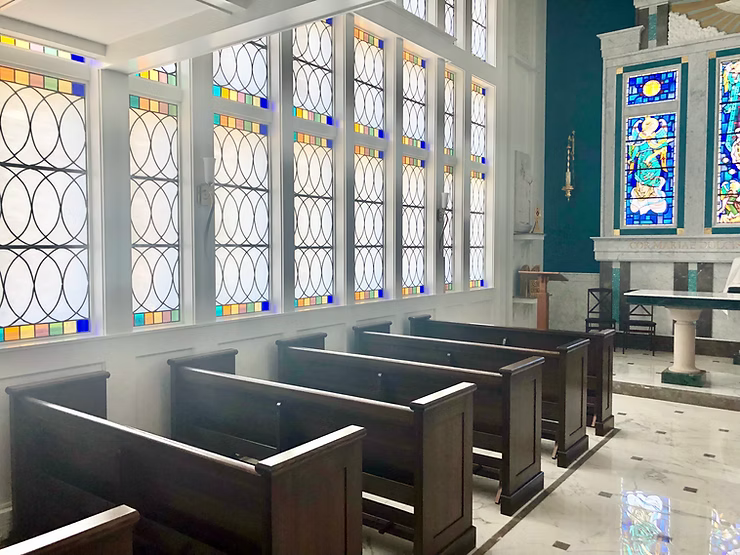
- Daylighting and shading strategies balance natural light with thermal control, reducing glare while preserving the intended design.
- Acoustic performance informed by building science creates peaceful, human-centered interiors.
These strategies align with the classical vision of architecture as a backdrop for human flourishing.
A Living Tradition
Classical and traditional architecture has never been static. The Romans embraced concrete, Georgians refined window technology, and 19th-century builders introduced iron and steel. Today, building science is simply the next chapter in this ongoing evolution.
By combining timeless design with sustainable performance, architects create buildings that honor tradition while addressing today’s climate and comfort challenges. This marriage of beauty and technology ensures classical architecture remains relevant, resilient, and sustainable.