Throughout history, natural light and architecture have worked together to create spaces that inspire awe and reverence. Nowhere is this more profound than in churches and oratories, where light focuses and emphasizes what is sacred and carefully orchestrated to emphasize focal points like the altar, highlight sacred art, and enhance the spiritual atmosphere.
At AUREUM Architecture, we believe that natural and artificial lighting should work in harmony to elevate religious design, guiding worshippers toward a deeper sense of the sacred. Whether streaming through stained glass windows, illuminating a sculpture, or casting a glow on mosaics, light is an essential architectural tool for shaping sacred spaces.
The Role of Light in Religious Architecture
1. Natural Light as a Symbol of the Divine
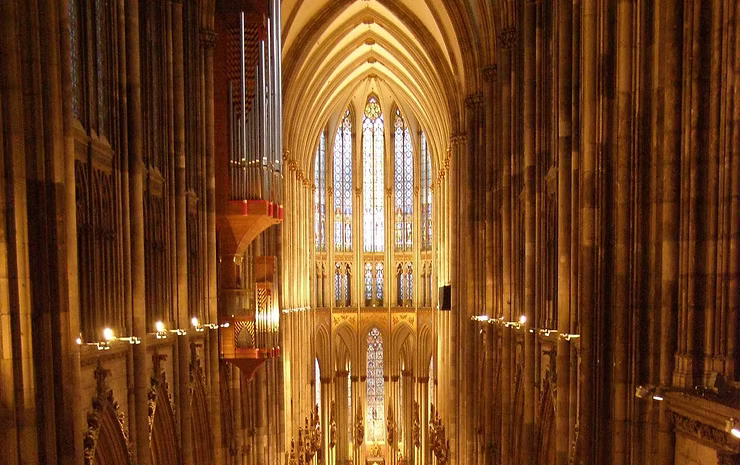
From the soaring Gothic cathedrals of Europe to the intimate chapels of monasteries, architects have long used natural light to symbolize divine presence. Light pouring through high clerestory windows or delicate stained-glass panels draws the eye upward, encouraging worshippers to reflect on higher realities. The movement of the sun throughout the day changes the interior atmosphere, making the space feel alive and ever-evolving.
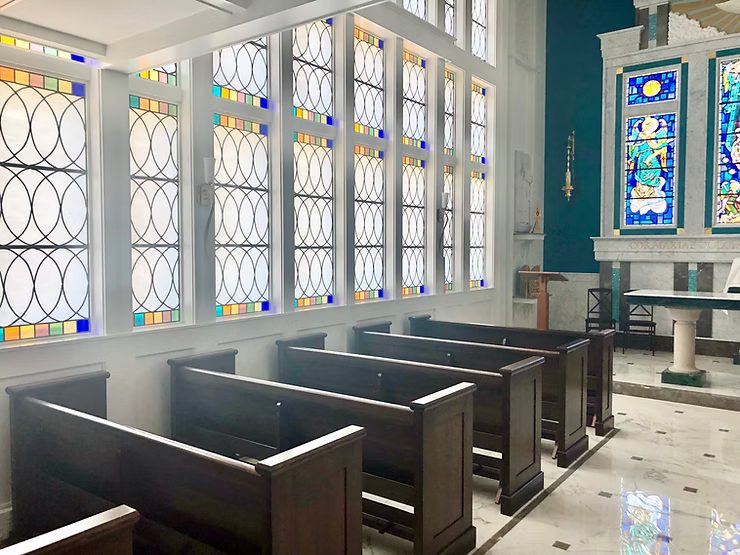
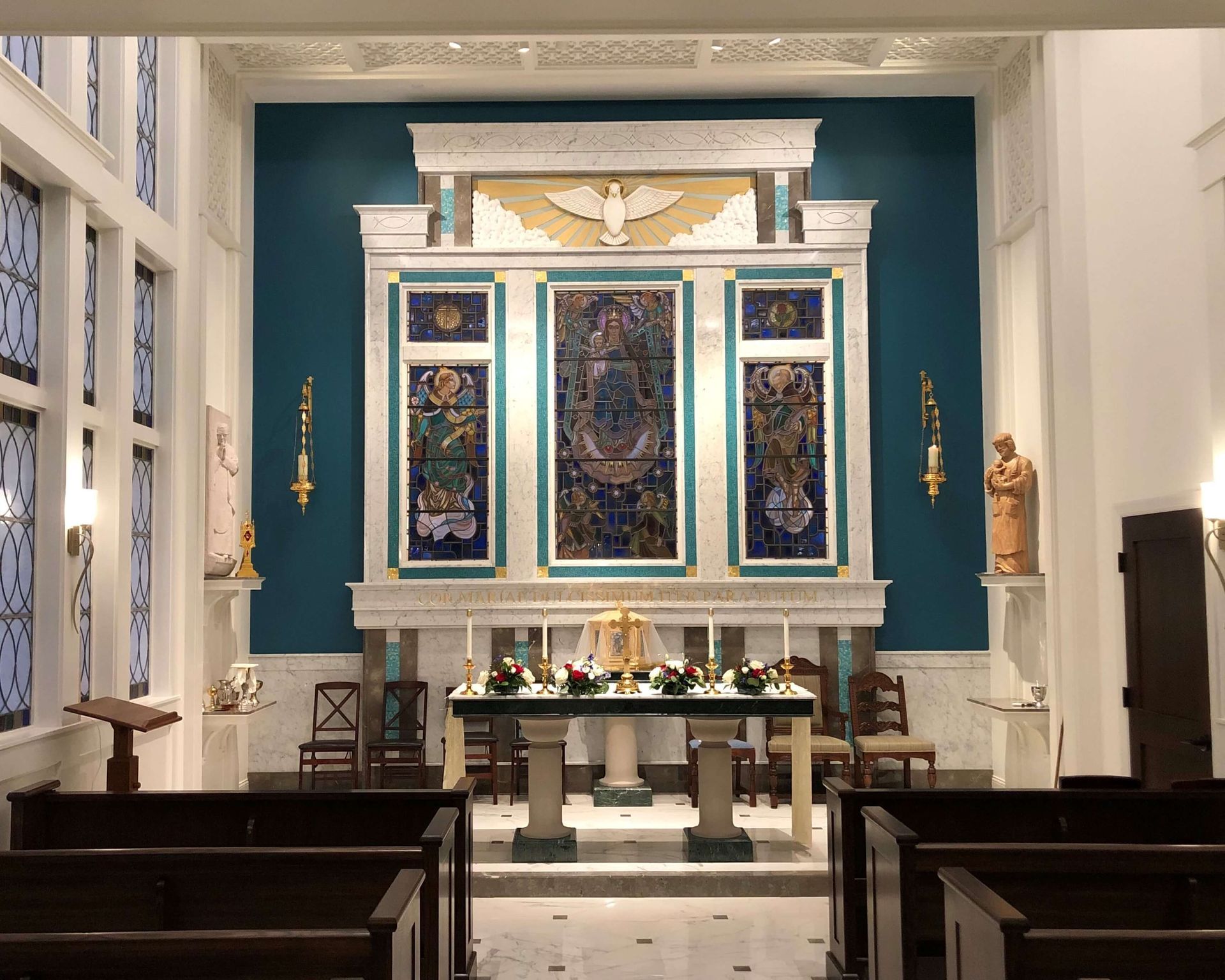
Diffuse light on the north wall and bright stained glass windows make this a beautiful place for prayer during the day.
Diffuse light on the north wall and bright stained glass windows make this a beautiful place for prayer during the day.
2. Stained Glass: Storytelling Through Light
Few elements in churches and oratories are as striking as stained-glass windows. These masterpieces of architecture filter daylight into vibrant colors, creating a transcendent ambiance. Stained glass also serves as a teaching tool, depicting biblical scenes and saints' lives, reinforcing the faith of those who gaze upon them.
3. Artificial Light: Enhancing the Sacred After Sunset
While natural light plays a primary role in sacred spaces, artificial lighting ensures that the atmosphere remains reverent and awe-inspiring even at night. Carefully placed fixtures—such as hidden up lighting behind an altar, chandeliers, hidden strip LED lights in a cove, fixtures with narrow and directed light beams focus on an object—can highlight architectural details, paintings, and sculptures, preserving the sense of the sacred at all hours.
4. Emphasizing Sacred Art and Focal Points
Light has the power to direct your focus and enhance the visual impact of sacred art:
- Altars & Sanctuaries: Natural and artificial lighting should converge on the altar, ensuring it remains the most prominent focal point.
- Sculptures & Statues:
Side lighting or directional lighting enhances depth and texture in religious sculptures.
- Mosaics & Frescoes:
The interplay of light across mosaics brings out their shimmering detail, making them appear dynamic.
- Paintings & Icons: Gentle, diffused lighting prevents glare and enhances the richness of colors in sacred artwork.
Designing Light-Filled Sacred Spaces
At AUREUM Architecture, we design churches and oratories that embrace the power of natural and artificial light to create an environment of reverence, beauty, and transcendence. Whether incorporating large stained-glass windows, strategically placed clerestories, or warm artificial lighting, we ensure that sacred spaces remain spiritually uplifting and visually breathtaking.
Looking to create or renovate a sacred space? Contact us today to discuss how light and architecture can work together to bring a greater sense of the sacred to your church or oratory.