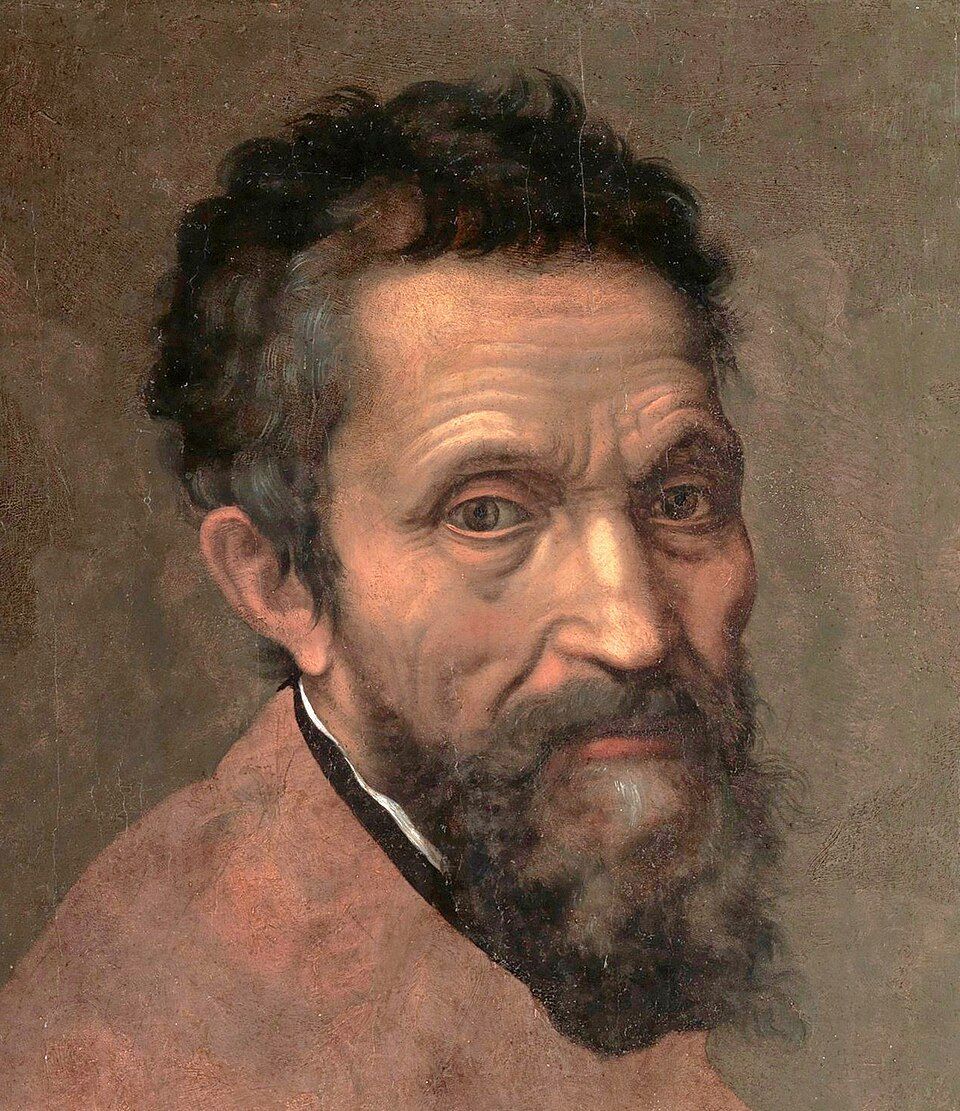
In 1546, Pope Paul III offered the commission for St. Peter’s Basilica to a seventy-one-year-old sculptor who had never built anything on the scale of what was required. Michelangelo accepted — without a fee. He told the Pope he could not accept payment for work he owed to God.
He served as chief architect for seventeen years, until his death at eighty-eight, and he never drew a salary.
What he wrote about that work is worth sitting with:
“Many believe — and I believe — that I have been designated for this work by God. In spite of my old age, I do not want to give it up; I work out of love for God and I put all my hope in Him.”
— Michelangelo Buonarroti
He also wrote: “Art is the gift of God, and must be used unto His glory. That in art is highest which aims at this.”
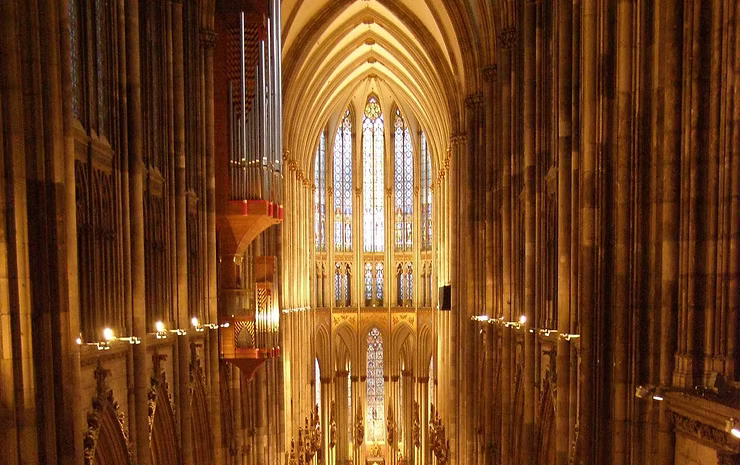
Classical architecture, at its best — in early Christian basilicas, Byzantine domes, Renaissance churches, and the work they inspired — has drawn most deeply from this tradition. That is what makes it most capable of carrying it forward. Not a style preference. Not nostalgia. A conviction — that beauty is owed to God, that the gift of craft carries an obligation, and that a building designed for the sacred should reach as far toward beauty as the project allows.
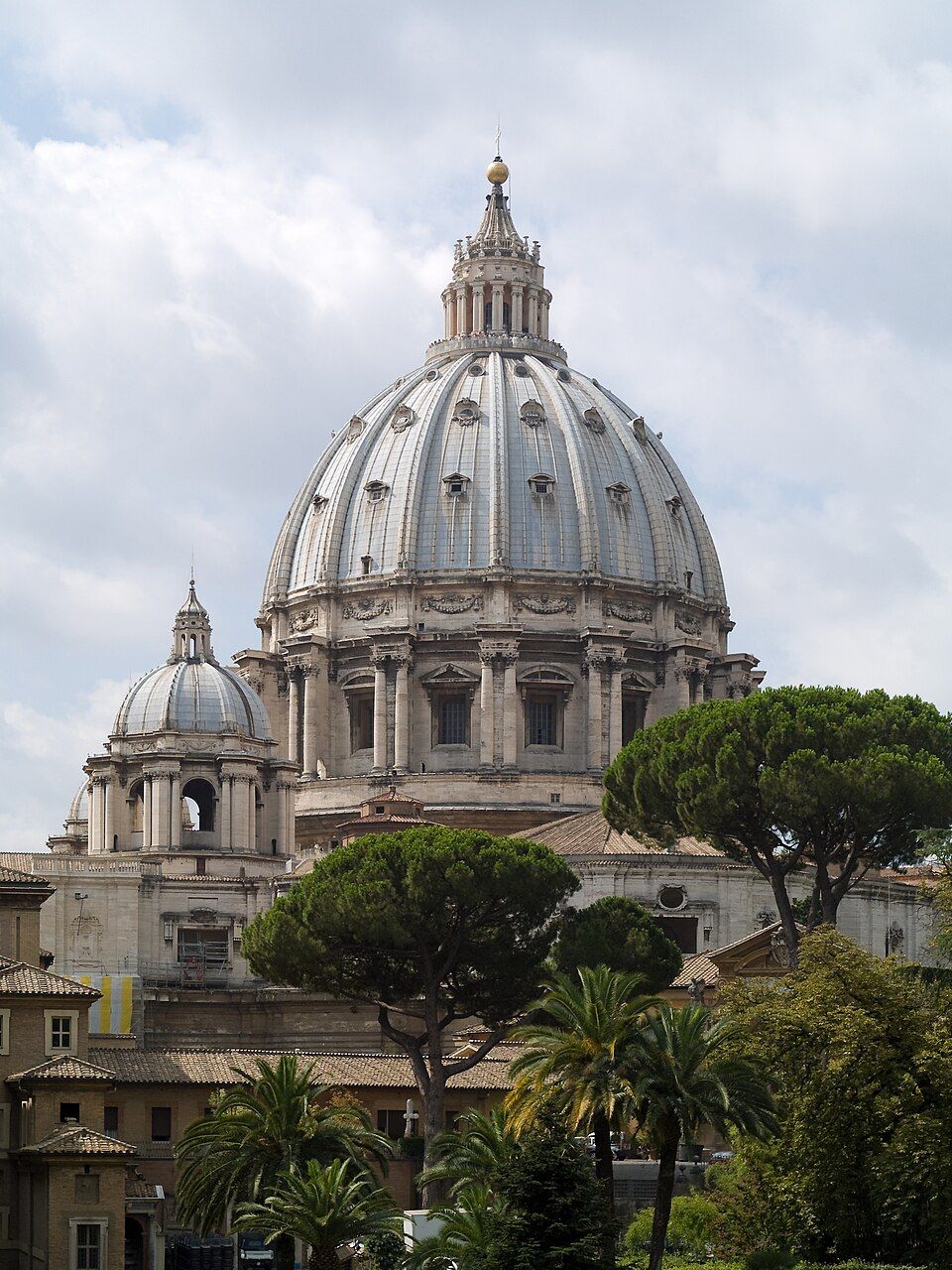
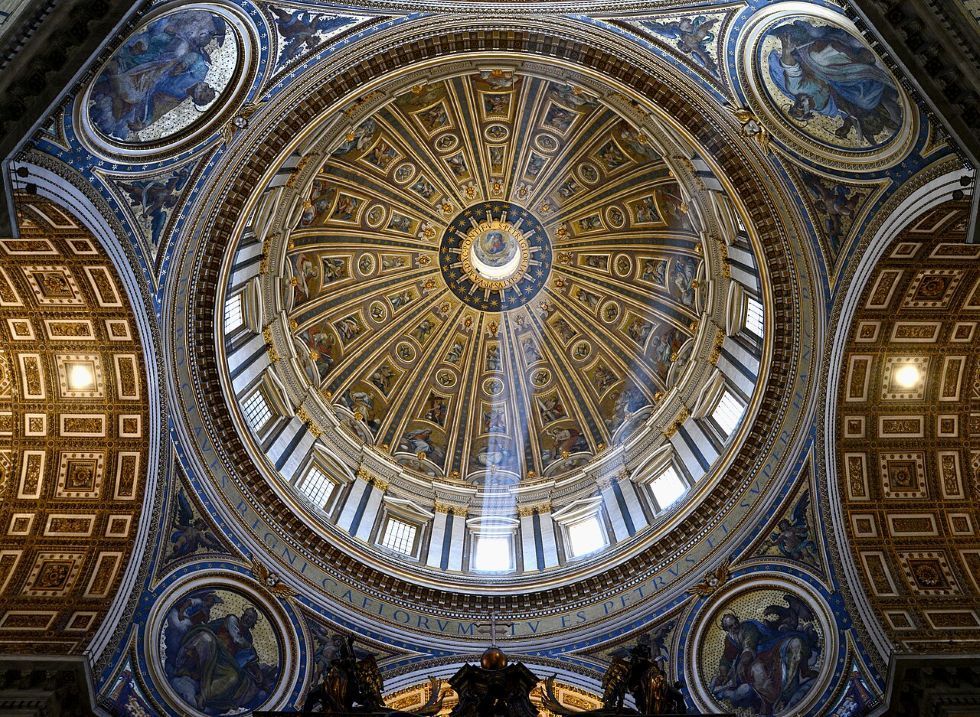
The dome Michelangelo designed for St. Peter’s — finished twenty-six years after his death, from a wooden model he left in the Vatican — went on to shape St. Paul’s Cathedral in London, the United States Capitol, and countless churches, seminaries, and civic buildings across the Western world. One man, working without pay, in the last seventeen years of a life already incomprehensibly productive, left that to the world.
He fought for the design too. He was not gracious about institutional compromise. He threatened to resign rather than accept modifications that would have diminished what the building needed to be. He understood the stakes: a great church built poorly is a statement about whether the institution that built it takes seriously what it says it believes.
For every institution that builds seriously, that is still the question. Not which building is cheapest or most easily approved — but which building is most capable of doing what the institution needs it to do. What it will teach in a hundred years.
“My soul can find no staircase to Heaven unless it be through Earth’s loveliness.”
— Michelangelo Buonarroti
— — —
The full essay — on Michelangelo’s appointment, the dome, what he wrote about beauty and vocation, and what it means for every institution that builds seriously — is on Substack.
aureumclassicalarchitects.substack.com/p/work-owed-to-god
— — —
Kenneth Shane, Principal
Aureum Architects, LLC